Thursday, November 5, 2015

New Projects, New Prospects

Hello all. I've been very busy over the last year, and will be putting up new content very soon!

 I'd like to take this opportunity to throw out a great opportunity I was given this summer to intern at Post House LLC. Post House is a production company: Tagline "Content Creators Who Think Like Marketers". They are involved with a great many clients, most notable The Columbus Blue Jackets, Inspirato, and many others. I had the privilege to work around these talented individuals and would recommend anyone here to please go and check them out. They recently released a new campaign ad for the Blue Jackets: March With Us.


They have a great body of advertising work and create really great content. Please check them out at

Their site: http://www.posthouse.tv/

I had some great practice and even got to practice edit a few spots which may be coming up on here soon. Thanks!

Wednesday, April 30, 2014

Audio Doc- Chrissy Hallaman Interview

  I've been in an audio production course this semester and wanted to show off some of the things I'd been working on this year. So in that spirit I wanted to upload my final project for MDIA 1200 and show it off.


This project focused on creating an audio documentary of some kind, with two recorded voices other than my own. I got together a friend or two and did a good old fashioned interview with a friend of mine: Chrissy Hallaman. Chrissy is a writer, cast and crew member of both Friday's Live and Newstime, two shows that are within Ohio University's student run broadcast group AVW. She also does standup with Blue Pencil Comedy. I got to do an interview and make a five minute audio doc out of it, based on her thoughts about college, comedy and life in general. This was tough because I had a half-hour of material that all really deserved to be shown and had to edit it down by 25 minutes, but I ended up with a product that I really liked. Enjoy.


If you want to learn more about Chrissy's standup you can follow Blue Pencil Comedy on twitter
As well as following Chrissy's youtube channel with her standup here:

https://www.youtube.com/channel/UCn4DDWIXkiuK59iKj27f4dQ

You can find AVW productions and their shows here: http://avwproductions.com/

Special thanks to Brian Hewitt for lending his voice talent to the project.

The songs I used are listed below:

"Love Like That"- The Heavy

"At Or With Me"- Jack Johnson

"Ramble On"- Led Zeppelin

"Saline"- Trocadero

Wednesday, April 23, 2014

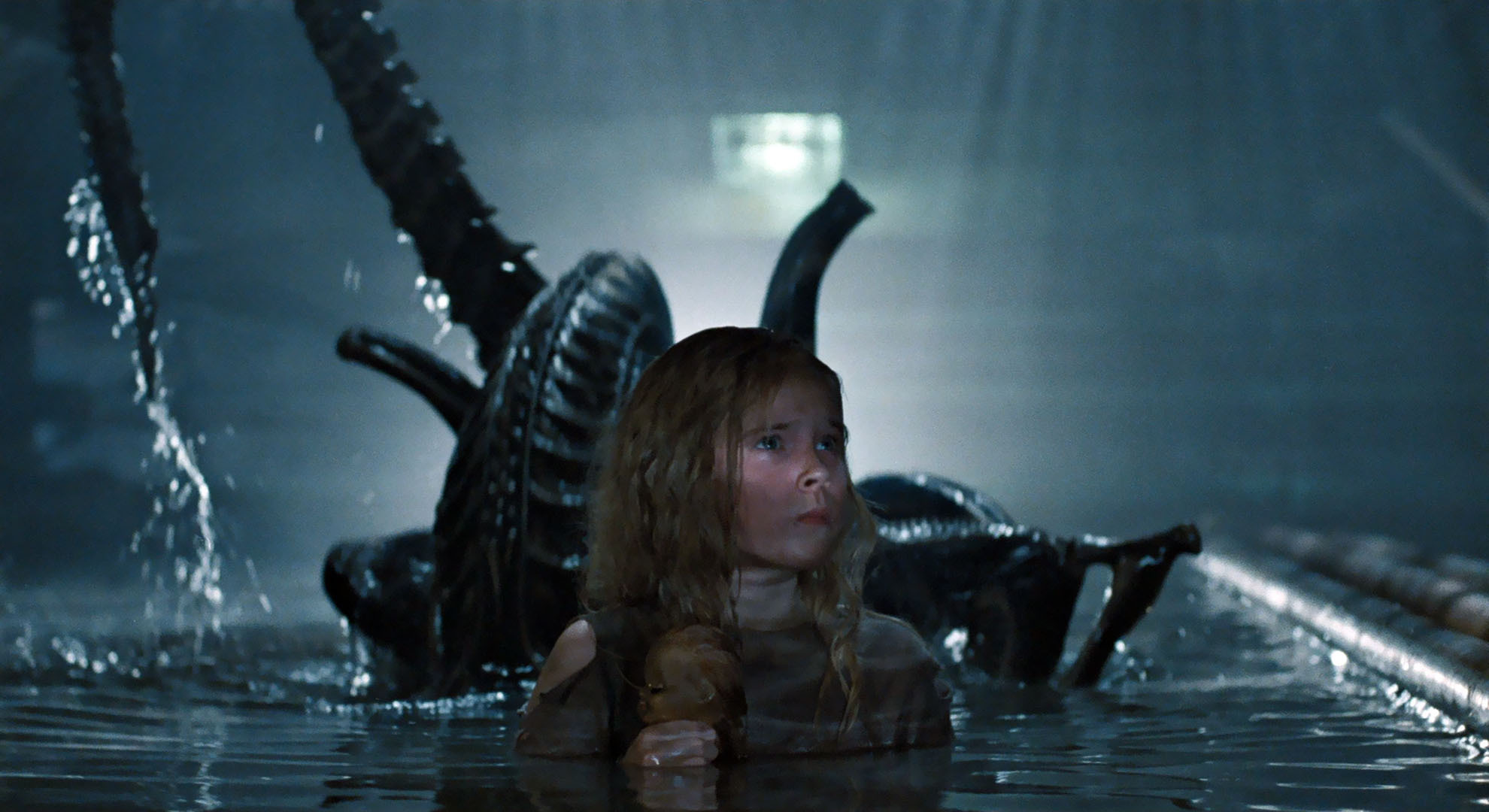
"Don't Go Back in the House!" -Aliens


This project is about horror movies. Specifically what breaks the realism in viewing them. Something that commonly shatters the audience's sense of immersion is that protagonists are often illogical. We find ourselves thinking "Why would she go back in the house? You know what's in there," and when the person is predictably killed we find ourselves thinking smugly that we were right. So I was set to examine one of the top 100 horror movies of all time and look for some of these trope situations.  

Spoilers to follow. General knowledge of the plot of the movie would be helpful.


            The movie I chose to examine more closely on this list was James Cameron’s 1986 film “Aliens”. As a complete aside from what I’m going to dissect in the movie, I will admit that I really enjoy this film. Both Aliens and its prequel were extremely well written science fiction and began a huge amount of tropes in genres across all manner of media. That being said, there is a huge amount of cavalier cheesiness that makes me want to start shooting from the hip at anything that moves…
 
            I want to begin with the marines and ask people why they seem to think that trained military personnel of the future are insubordinate in almost any scenario. In this case it isn’t so bad because it’s the first time that its featured prominently in this type of scenario, but more often than not, space marines now remind me of my favorite Top Gear saying: “Ambitious, but rubbish,”. An example I dwell on here is that when the marines are moving towards the generator complex and Lt. Gorman tells the marines that there can’t be any weapons firing in the generator room. I find that if there is a potential thermonuclear detonation that hinges on whether or not my men fire in a certain direction, I will definitely stress why that scenario can-not happen; I actually think that this is reasonable no matter how little training you have as an officer.
 
            There is some more ineptitude that I’d want to pull out and consider with the character of Burke. When he is found out to have planned to kill the entire crew at the first opportunity and that he put Ripley and Newt in a room with two face huggers, why in god’s name did you just let him walk around as if nothing happened? I understand that without that detail, Burke can’t have any feasible way of locking the crew in a room with the aliens, but it seriously makes me think “of course that happened, you didn’t even handcuff his corporate ass”. By the way, plastic zip cuffs are not out of place in military equipment. I understand that Burke is your supervisor and superior and also a human being, but handcuffing him not only is the alternative you need to killing him, it makes him dependent upon his captors for survival as he can’t do anything on his own.
 
            Another situation I find completely ridiculous is anything having to do with the Sulaco or the dropship in the movie. The fact that the characters are stranded and unable to get aboard the warship in orbit makes perfect sense, but the fact that literally everyone leaves the ship and goes to the surface is a bit terrible. I can’t believe that you wouldn’t leave at least a pilot or communications officer aboard to actually continue flying the ship. Even worse than this is the fact that the drop ship lands at the colony! When you have a ship with weapons on it, you don’t keep it out of the fight. Modern helicopters have the ability to provide over watch for forces on the ground, and by keeping military equipment landed, it gives the enemy an opportunity to steal technology, take a vehicle out of the fight. When the stowaway alien kills the two pilots on the dropship the only thing that surprises me is why they landed the ship and kept the doors open. If I were a scary spooky alien, why wouldn’t I take advantage of that?
 
            Aside from the predictability of the jarheads’ actions, I find most of the situations to be fairly in touch with how human nature works. Ellen Ripley remains one of the smartest horror archetype characters that I have seen. Situations where most characters act irrationally cause her to be quite logical; nuking the colony from orbit is definitely a breath of fresh air compared to: “I say we go back inside the house- er I mean processing plant- and look for clues!” I don’t feel that there are any situations where the fight or flight response is really ignored as is the norm for many horror movies. Ripley is continuously rational for much of the movie (the one exception being her rescue of Newt, but I would view that as understandable since Newt is basically Ripley’s replacement daughter).

           I tend to think this logic being used for Ripley is something that is used to identify characters we are supposed to “like” as the audience. Bishop, Hicks, Ripley and Burke for the first half of the movie are really developed as characters because of their use of logic. We immediately like Bishop because of his cautious personality and the curiosity he shows; we like Burke because he seems to be the only person to believe Ripley and Hicks seems to be the only marine to keep a level head for the entirety of the movie. Instead of using bad logic to simply kill off characters in the movie, it is used to develop who characters are and give us people to root for as it were.
 
            It’s very hard to escape horror movie tropes, the ones that say that the protagonists are to be killed by their own ineptitude. This type of movie comes very close, however. The thing that makes Ridley Scott’s alien so frightening is that it is noted for outsmarting the heroes not because the heroes are inept, but because the alien is smarter, faster, and negates the logic used. The alien is an unstoppable, mute, predatory force that is made to tear apart the ideas of the protagonists, many of which are similar to actions that many of us would take in the same scenario. The thing that makes the alien truly terrifying is thinking that in the same situation you would be just as helpless as the protagonists.

You can find the list of movies I chose from here:

Friday, March 28, 2014

"Character Color Timeline"- Game of Thrones


This project involved examining how television shows used a color scheme to affect the audience's opinion of certain characters in shows.

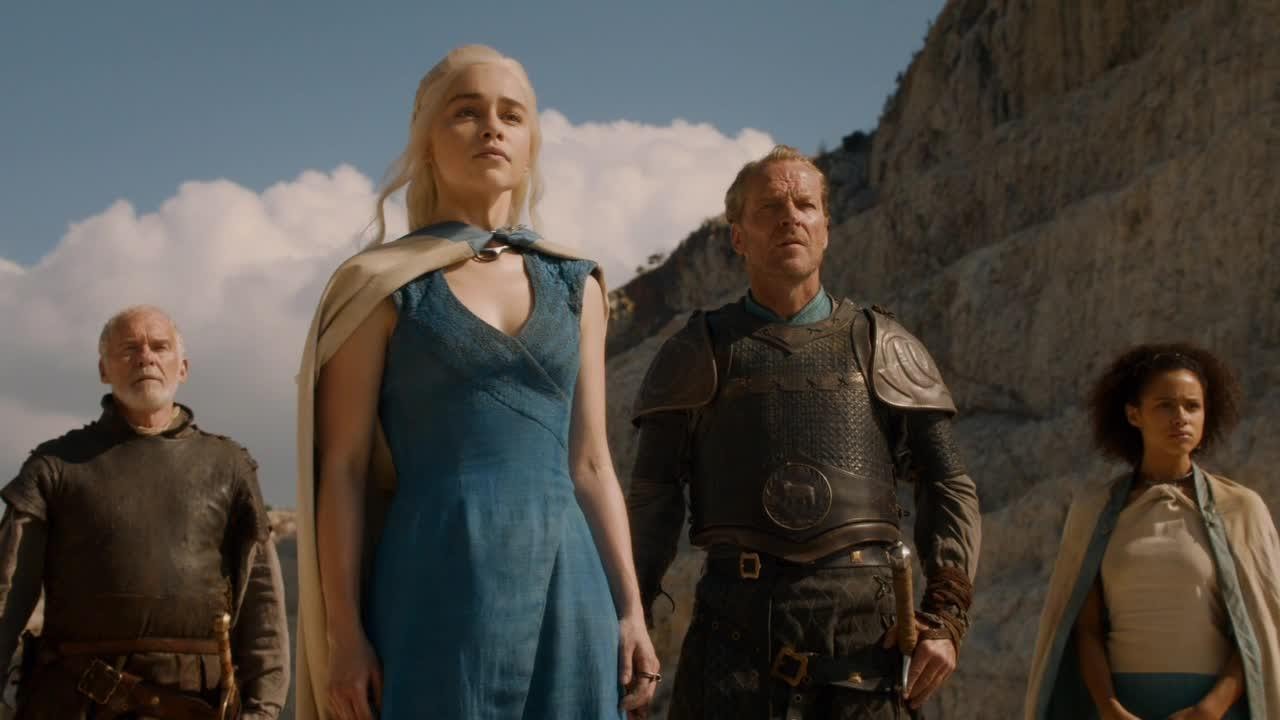
I'd wanted to analyze the color's used in the series Game of Thrones, namely those for the character of Jaime Lannister, who goes through a lot of change through the series in the eyes of the audience. Although the timeline only covers the first season, there are a lot of costume changes that seems to work quite well with the emotion of the scenery, whether that corresponds to red making a character appear more aggressive, white making them appear vain, or blue making them appear trustworthy, there's a definite pattern in their color palettes.
 I needed to do two characters and also decided to look at the color scheme of Ser Jorah Mormont in the show, and mapped out both color schemes in an interactive timeline. You can find the timeline below. For the record, it helps to have an understanding of the show so if you haven't seen the first season you might be a bit lost or spoiled to what happens. You've been warned, mate.


I thought I'd focus on those two character because honestly they're just my favorite in the series. I could easily have done any other of the characters that have major appearances; women in particular have a lot of color use to express intent in the show and its easy to categorize what some of the colors mean according to how they are used in conjunction with banners, clothing and scenes.

The costume design is put into such great detail that it does not surprise me in the least that the series has had such renowned success. People want to suspend disbelief in a series and Game of Thrones really does just that in its presentation, and the subconscious opinion of the audience definitely plays into that.

This was really interesting to do and taught me a lot about some of the finer points of costuming. It's something I'd like to pay attention to in my career.

Tuesday, March 25, 2014

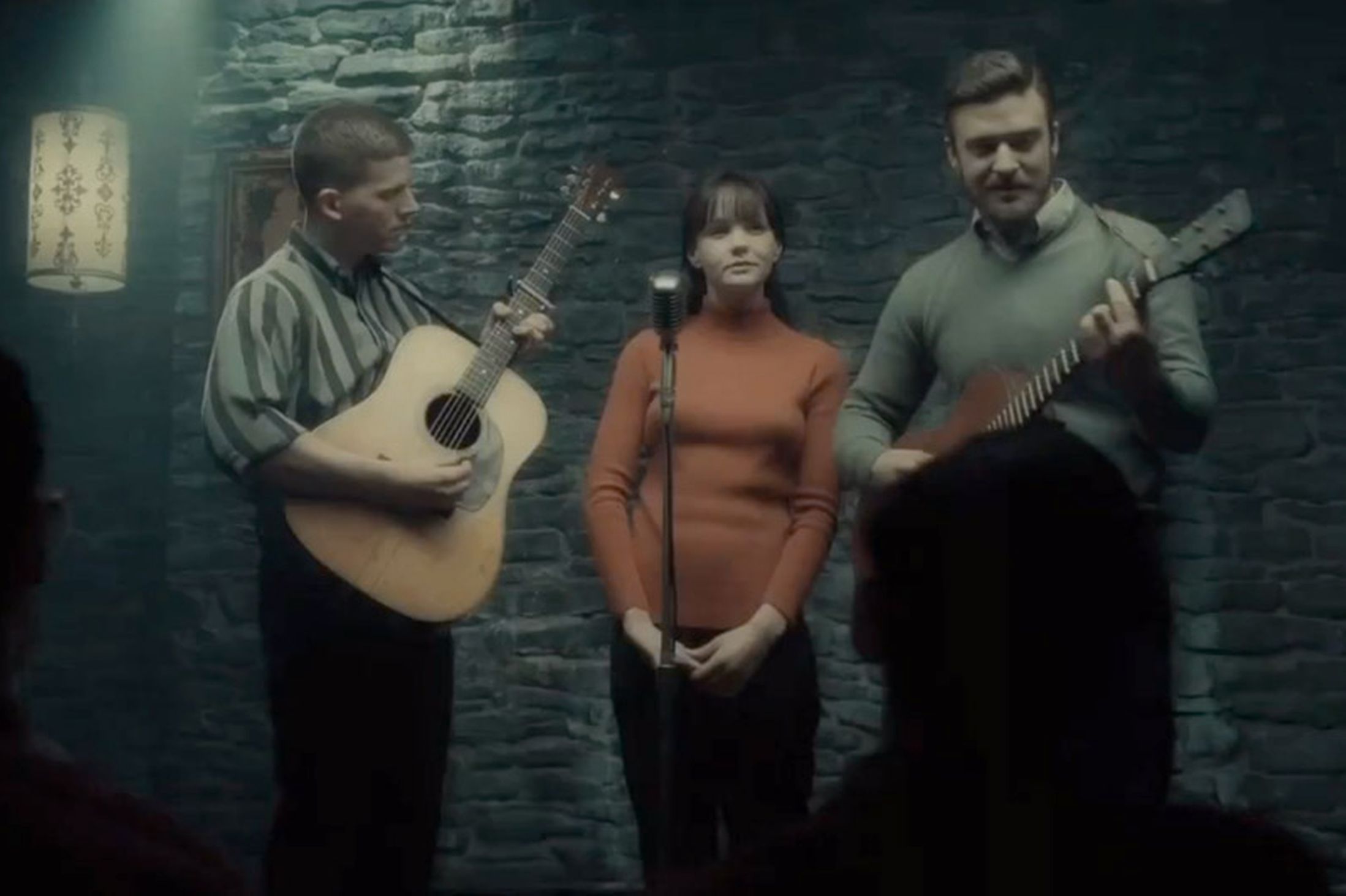
"Copy That, Copycat" Part 2- Inside Llewyn Davis

This project is the second part of an ongoing analysis of Coen Brothers films with regards to script and story structure. The part of the project here involved taking a third film and adding it to the analysis. 
            The second part of Copycat involved analyzing another film and comparing it on the chart. This time I chose Inside Llewyn Davis as the film. This analyzation chart will probably contain some spoilers to the movie so viewers beware.
I chose this movie because I wanted to see it pretty badly, as it looks like a brilliant film. The other reason is that in examining the movie it appears to be much shorter than the other two, which may have an effect on the writing style the Coens use for this one. Again Davis uses a different genre in this film than both of the other ones. The fact that I have not seen the film before may have an effect on the analysis, but I'll do my best.


            This one was very interesting to say the least. The graphing of the characters took a very different turn from the other films. To start, the movie was a lot shorter than the other two, so the timings for the movie were not expected to have matched up. It was also a bit harder to judge when the high moments of the film were; Inside Llewyn Davis had less action than the other two films (at least from a physical standpoint). It’s a much harder film, emotionally and also has a lot more of a human quality to it because of it.
            The biggest difference between Inside Llewyn Davis and the other two films is the placement of the Climax. I felt that playing for Grossman in the Gate of Horn was the scene that had the most tension, but it happens before the lowest point in the movie and also does not exactly signal the end of the Desis; there are more points that are complicating the plot rather than resolving it, though these points can have different interpretations. Llewyn’s choice to go into the navy and leaving that decision uncertain seem more like Desis than Lusis. The point where Davis finds out that Jean is probably swindling him for abortion money in order to continue playing at the Gaslight is definitely a turning point. 
              Inside Llewyn Davis doesn't seem to match the formula that the other movies seem to be following, but that doesn't mean it isn't a good movie. Joel and Ethan are able to create story in a remarkable amount of ways, and the style they use is incredibly versatile. I think storytelling isn't something that can be correlated into a formula. It's an interesting thought but I think the ability to write is not related to Aristotle's structure, it seems to have the elements of it yes, a beginning middle and end, but depending on the story, these can change significantly.


If you'd like to see the breakdown chart, I have it below, it does contain spoilers.
Inside Llewyn Davis: 104 mins

Set up- Introduction to Davis “Hang me”- 0-5 mins
Inciting Incident- Gorfein’s cat/Jean is Pregnant- 5-14 mins
Desis- Cat runs/ jean doesn’t know who father is- 21-25 mins
2- The Columbia session-29-35 mins
3-Diane had the baby/wrong cat-40-47 mins
4-Llewyn goes to Chicago- 47-60 mins
5- arrest on the road/ Llewyn is left on the highway- 60-64 mins
6- Gate of Horn/ Llewyn hits the cat-64-76 mins
7- Davis prepares to ship out and can’t/ meet the father- 77-87 mins
Peripeteia- Llewyn gets thrown out of the gaslight- 87-91 mins
Climax- Llewyn plays for Grossman- 65-73 mins
Lusis- Ulysses and forgiveness of Llewyn- 90-94 mins
Anagorisis- repetition of the first day- 94-99 mins (end)


Newstime Collaboration-time!


Hello all. This was not a class project for any stretch of the word but it is something I do on a regular basis.  

What I'm talking about of course is AVW Productions. AVW is the student run television association in Ohio University with a variety of shows both on and off air. I work on one of the newer shows: AVW Newstime, which entered its fifth season this semester. The show is a parody news program, made with Stephen Colbert and SNL's Weekend Update programs in mind.


AVW week just happened a short while ago which showcased AVW for the students at Ohio University. At the front of the pack was ever popular Friday's Live, who filmed a collaboration show with none other than Newstime.

I helped to write and shoot the program and digital shoot accompanying it along with the cast and crew of both Friday's Live and Newstime. The full show can be found here:


Fridays Live - Newstime Crossover!!! from AVW Productions on Vimeo.

I had a ton of fun working with everyone on this show! It made AVW week a very fun one for me and the final product was pretty great too!
Here's a link to an article in The Post about us!

http://thepost.ohiou.edu/content/avw-shows-team

I'm hoping to have more great content that I was involved with here to show off when it becomes available.

Please spread the video around, subscribe to AVW Productions, follow Newstime on twitter @AVWNewstime
 Below you'll also find the link to Newstime's brand new Youtube channel which will be uploaded with content from season 5. I will also post some of the shows I may have written, anchored or ran crew with in the future.

https://www.youtube.com/channel/UCozZ30kESWUzQgS0XC_ZMeQ

Saturday, March 22, 2014

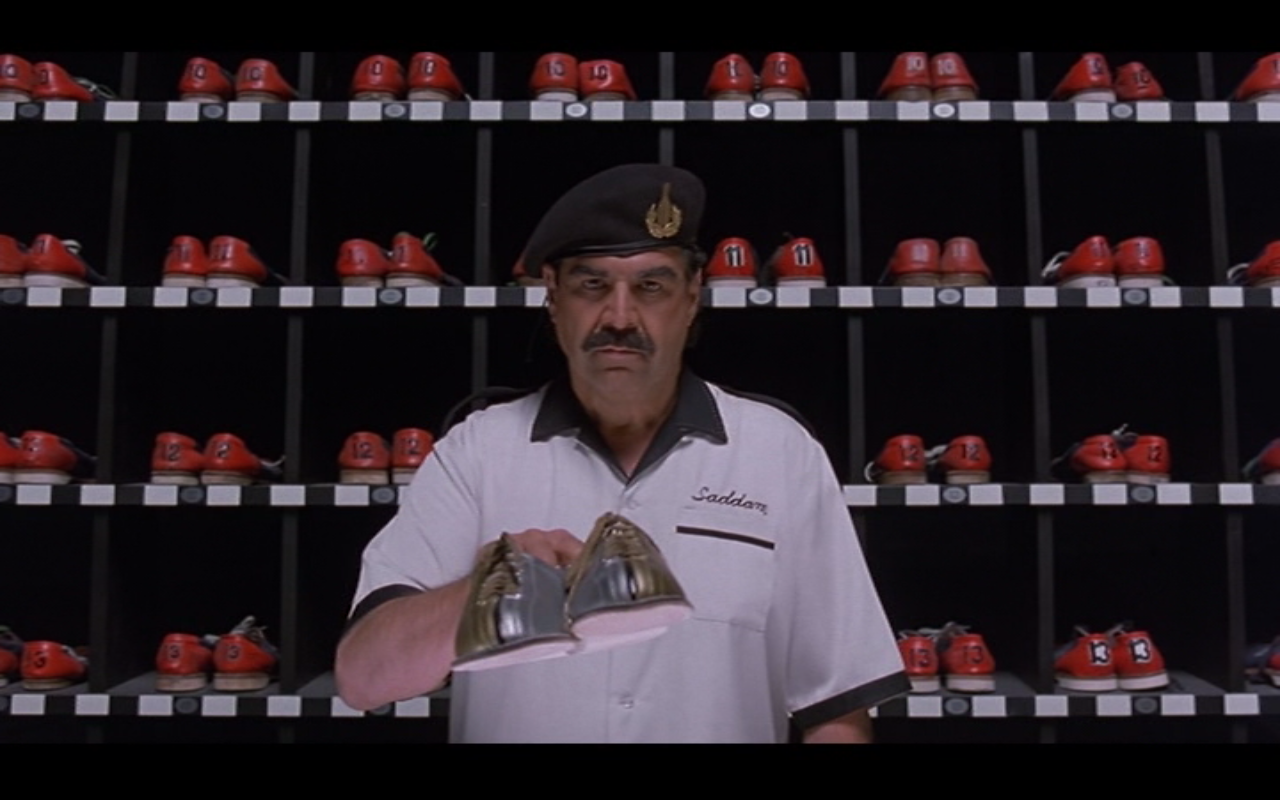
"Copy That, Copycat"- Coen Brothers Films


This was a project that involved examining the story structure involved for screenwriting, which is related to Aristotle's techniques for play writing. The project involved taking a film which used award winning structure and comparing it with another film by the same screenwriter. I used "No Country for Old Men" in a previous project for award winning structure and decided to start there. 
For the award winning structure I chose No Country for Old Men, adapted by Joel and Ethan Coen for the screen. They also direct most of their movies so I decided to try and just find a movie that seemed sufficiently different enough that the direction style would be different even though the same screenwriters were heading the movie. I settled on the Big Lebowski. In my mind, the two movies lied on opposite sides of the spectrum; Lebowski is a film rooted in comedy and No Country is a thriller. Both movies also have a very different cast of characters, and the stories go in different directions as one involves a mystery and the other is a large hunt. Both movies also happen to be almost identical in timing: around 116 minutes for No Country for Old Men and 112 minutes for Big Lebowski.

I recorded when the major moments of both films happened and tried to identify what they were as best as I could. The major events of a movie can be very subjective and I chose what I felt would best fit into Aristotle's thoughts on structure. For example: Desis is defined as a complication in plot, and commonly takes place in the rising action of a story. an example of this in No Country could be when the character of Carson Wells is hired to kill Anton Chigurh, or in the Big Lebowski when the Nihilists break into the Dude's apartment and threaten him (funnily enough these two events happen within 4 minutes of each other).
I took the information from the two viewings and created a graph. The events on the bottom are what was recorded while the numbers on the left represent at what point in each movie they occurred.


That's amazing...

 After watching both movies and timing when moments happened in between the films, I was extremely surprised to find that they synched up incredibly well. Yes, the fact that both films were written and directed by the Coen Brothers may have had a hand in that but it should not have affected the movie that much. The timing of the two films really comes down to within one or two minutes of one another. The opening narration of the two films and set up for the story both last five minutes and multiple cases of the Desis occur very close together between the two films.
The genres of the two films are completely different, as well as the way the scripts were written. The Big Lebowski was something that was created completely by the Coen Brothers where as the story for No Country for Old Men they adapted for the screen from the novel by Cormac McCarthy. The thinking behind the adaptation would have been what to include and not to include in the film in order to shorten it into a more manageable state, while Lebowski would have called for more creative handling as a story was being more or less crafted from scratch.
The way the films are shot also makes them extremely different. For example the script for No Country has extremely little dialogue where as it’s the opposite for Lebowski. Although this is the case there is little deviation in the timing of events and the movies are only four minutes longer than one another. With the differences in shooting style and genre, one might think that the scripts would be different sizes as well however this is not the case either as the scripts are even closer in size at 117 and 118 pages! It’s also interesting the note that Lebowski is the shorter movie and yet has a longer script by a page.


Something tells me that the similarities between the timing in the movies isn’t intentional and that, psychologically, filmmakers will put events at similar times in a film because the pacing is something that the audience is used to. In all honesty, it surprised me that the films were the same length; No Country for Old Men feels like a much longer movie than the Big Lebowski, probably because of the length of scenes and the shorter dialogue. It seems like knowing that the beginning and end of a film usually are about the same length of the middle of a film makes many different movies immensely comparable. The fact that the two movies compared were made nearly ten years apart only heightens this sense of subconscious ordering and storytelling.
It is true that the Coen brothers had a huge hand in both sides of the process of scriptwriting and directing for the movie but the real fact is that these movies aren’t completely in the control of them. There’s a different story to the screenwriters, a story to the actors, and especially a story for the editors; No Country for Old Men was edited by the Coen brothers, but the other film was edited by Tricia Cooke, who had a lot of control over the length of the film because of the amount of establishing shots and not character driven shots present in the film.
If the two films had a more similar genre, I’d absolutely say that the Coen Brothers use a formulaic screenwriting technique, but as there are so many differences between them, I find it a bit harder to believe that they would think about these methods of timing during the writing process. I find it much more likely that the similarities between these films are more about a subconscious method of storytelling that more filmmakers than the Coen brothers use. If the method is formulaic, however, then the Coen brothers are very gifted in their ability to make something homogenous into very different films using a very similar structure. Looking at the graphed tables of data between the two films is very convincing for this part as well…

That was my analysis between the two films. I hope to add another film for analysis in the future (and only a little of my reasoning is for those sweet sweet creative points). 

I also have below the notes I took during the movies, in case you're interested in what I decided the major moments were in the films.
Film comparison

No Country for Old Men

Set Up: Sheriff Bell’s Narration/ Chigurh’s introduction- 0-5 mins

Inciting Incident: Finding the money/ the hunt begins- 5-25 mins

Desis:
1.     Llewellyn flees town/ Chigurh gets involved/ Sheriff Bell investigates- 25- 30 mins
2.      Chigurh, the cartels and Moss all get to hotel- 44-52 mins
3.      Carson is hired to kill Chigurh- 52-55 mins
4.      Showdown at the town inn- 55-68 mins
5.      Wells Find’s Moss/ Chigurh kills Carson 75- 84 mins
6.      Chigurh makes deal to meet Moss for final showdown-85 mins
7.     Carla Jean calls Bell and he heads for the meeting-93 mins

Peripetiea: Cartels kill Moss- 95- 102 mins

Climax: Chigurh kills Carla Jean-107-111 mins

Lusis: Bell investigates, trail runs cold, quits the dept.-102-107 mins;
Chigurh escapes-111-114 mins

Anagorisis: Bell realizes that he is a man from another age “and then I woke up”- 114-116 mins (end)


The Big Lebowski

Set Up: Narration of “The Dude”/ break in- 0-5 mins

Inciting Incident: Meeting the other Lebowski/ putting the dude on the case- 5-24 mins

Desis:
1.     Dude’s rug gets stolen/ money handoff goes south- 29-39 mins
2.     Dude’s car is stolen/ Dude meets Maude Lebowski- 39-47 mins
3.     “Bunny’s” toe cut off/ Nihilists threaten Dude- 48-56 mins
4.     Car is rediscovered/ Dude investigates Sellers kid’s house -56-73 mins
5.     Jackie Treehorn meets with Lebowski/dream sequence- 74- 85 mins
6.     Bunny has all of her toes/ Dude and Maude are lovers -85-91 mins

Peripetiea: Bunny Kidnapped herself (The Dude is the fall guy for embezzlement)-91-99 mins

Climax: face-off with the Nihilists-99-104 mins

Lusis: Donnie dies-104-109 mins

Anagorisis: The Stranger meets the Dude again, wraps up the narration-109-112 mins (end)